
In the construction of energy infrastructure facilities in small towns, concrete is one of the most often used building materials. This is due to the material’s strength, affordability, and durability, which make it the best option for creating structures that must serve the community for a long time.
Power plants, wind turbines, solar panels, and hydroelectric dams are only a few examples of the structures that demonstrate the usage of concrete in the development of energy infrastructure facilities in small towns. These buildings are made to produce electricity for the neighborhood and offer a dependable supply of energy.
One of the most typical forms of energy infrastructure facilities in small towns are power plants. These establishments produce energy through the burning process of fossil fuels like coal or natural gas. The concrete buildings found in power plants are made to resist the high pressures and temperatures produced by combustion. Reinforced concrete, which offers the essential strength and durability to endure the tremendous heat and pressure, is used to construct the power plant’s walls and floors.
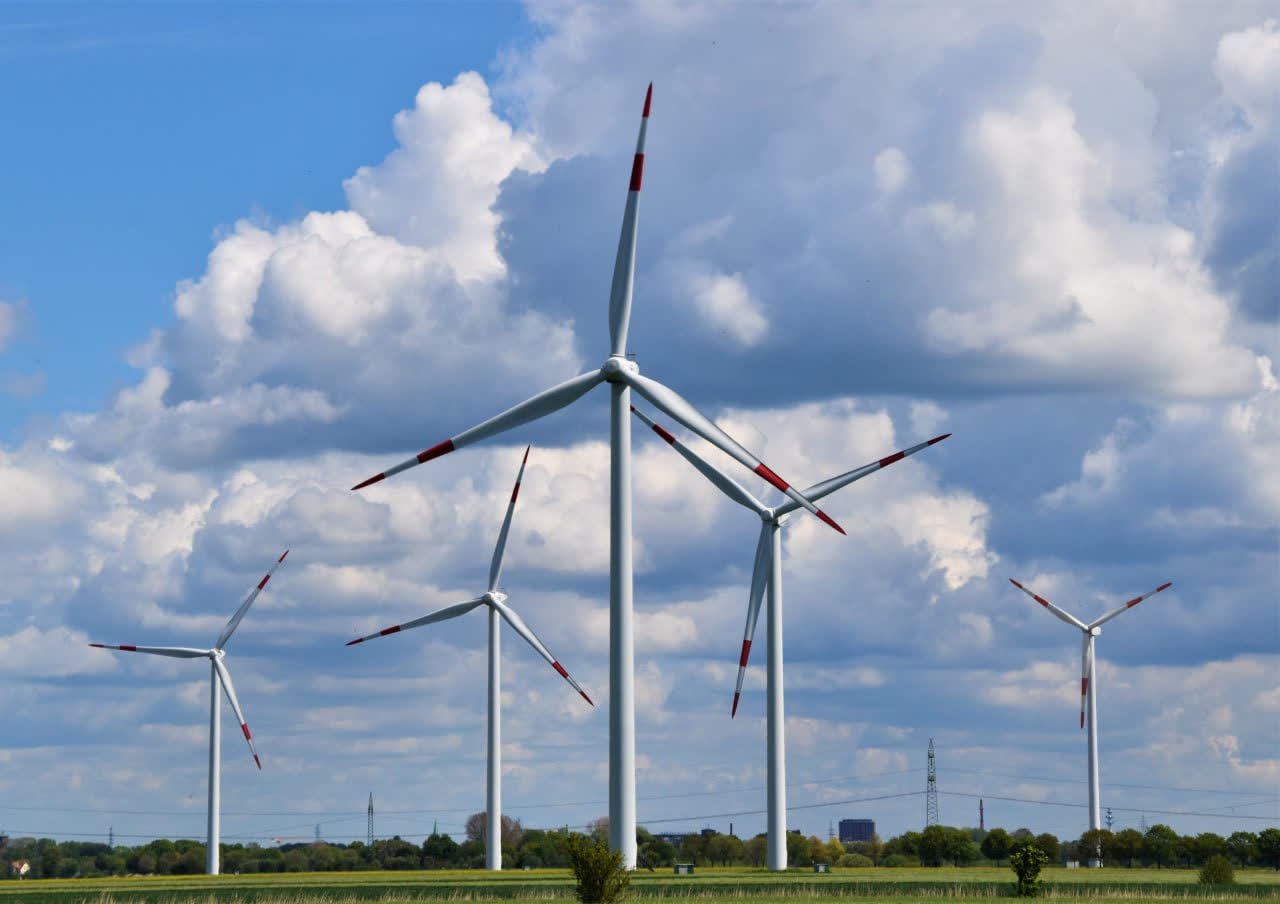
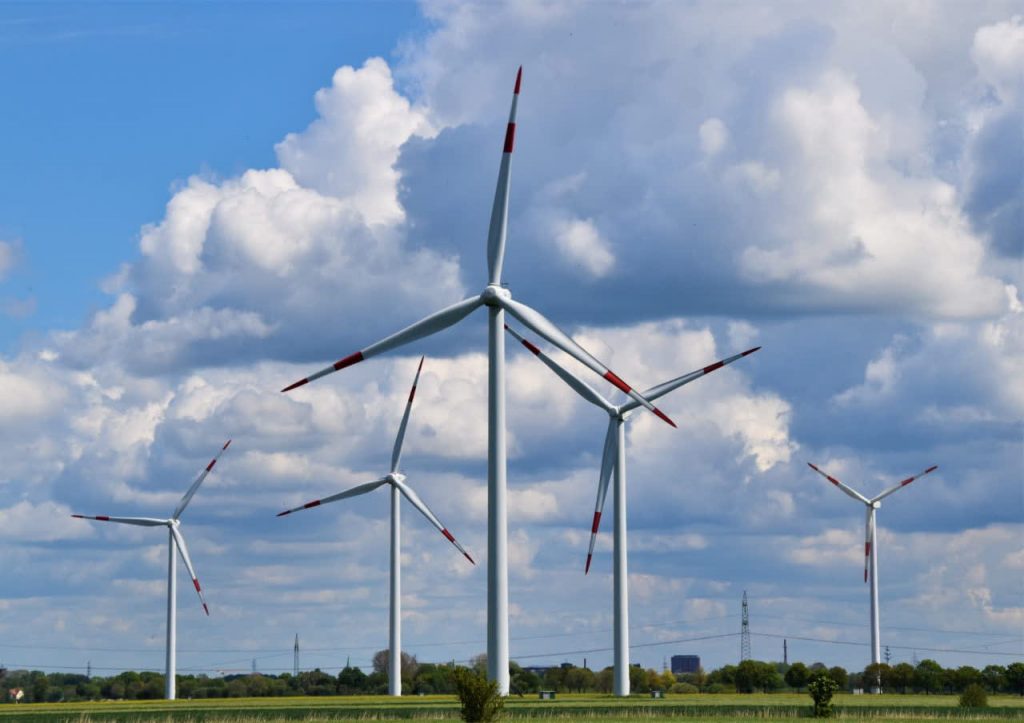
Another form of energy infrastructure facility that is typically seen in small towns is wind turbines. These structures use the wind’s energy to produce electricity. The wind-driven forces and the weight of the turbine itself are both intended to be supported by the concrete foundations of wind turbines. Deeply embedded into the earth, the concrete foundation offers a sturdy platform from which the turbine can run.
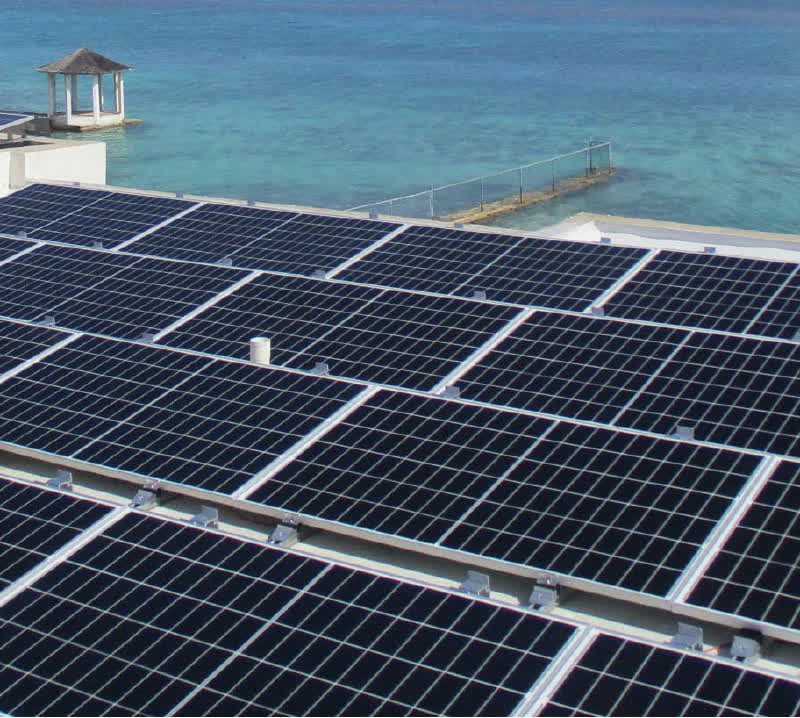
Another form of energy infrastructure facility that can be seen in small towns is solar panels. These buildings use the sun’s energy to produce electricity. The concrete solar panel foundations are built to support the weight of the panels and offer a solid platform for the panels to function on.
Hydroelectric dams are another type of energy infrastructure facility found in small towns. These structures generate electricity by harnessing the power of flowing water. The concrete structures used in hydroelectric dams are designed to withstand the force of the water while also providing a stable base for the dam to operate from.
To summarize, the use of concrete in the construction of energy infrastructure facilities in small towns is an important aspect of providing a dependable source of energy for the community. Concrete is strong, long-lasting, and relatively inexpensive, making it an excellent choice for structures that must withstand the elements and serve the community for many years. Concrete’s use in power plants, wind turbines, solar panels, and hydroelectric dams demonstrates its importance in the construction of energy infrastructure facilities in small towns.