The Advantages of Using Carmix Self-Loading Concrete Mixers in Military

A self-loading concrete mixer mounted on a mobile chassis is a type of machine that allows the operator to load it with raw materials, like cement, aggregate and water, by itself. This eliminates the need for extra equipment or manual labor. Once it is loaded, it can be moved to the construction site and can be used to mix and distribute the concrete as needed.
Carmix self-loading concrete mixers have demonstrated their effectiveness in providing concrete supply to remote and challenging projects, such as in mountainous regions at high altitudes, constructing foundations for space telescopes, and building communication antenna bases on remote islands. Its low overall height also allows for easy access in tunnel construction without the need for additional equipment.

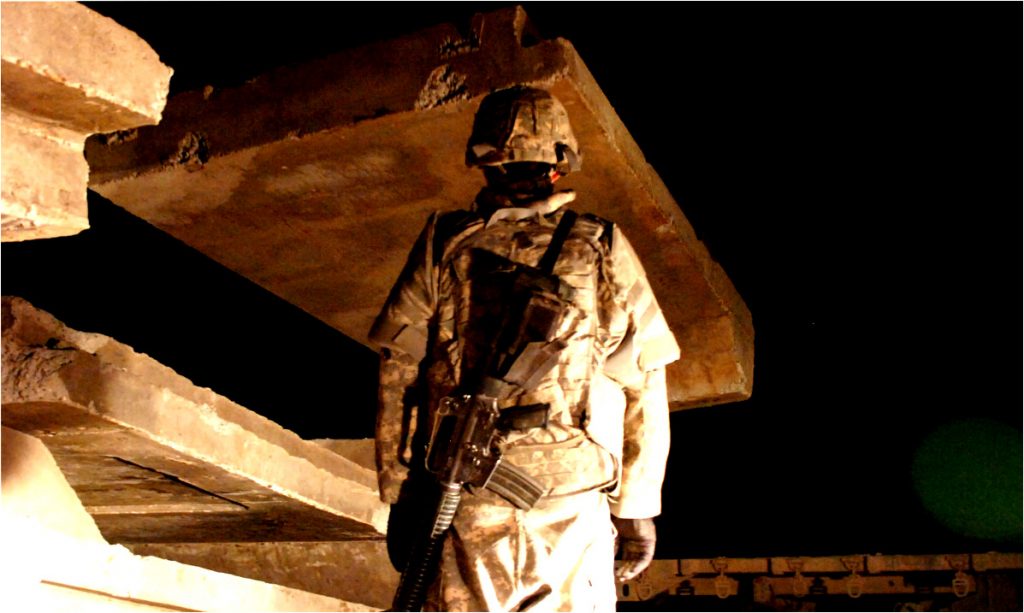
The military engages in a variety of construction projects such as creating and sustaining military bases, roads, bridges, airfields, and other vital infrastructures. They also partake in constructing and mending structures for accommodation, storage, and other purposes. Furthermore, they may provide aid in rebuilding and reconstructing areas that have been destroyed by war or natural disasters.
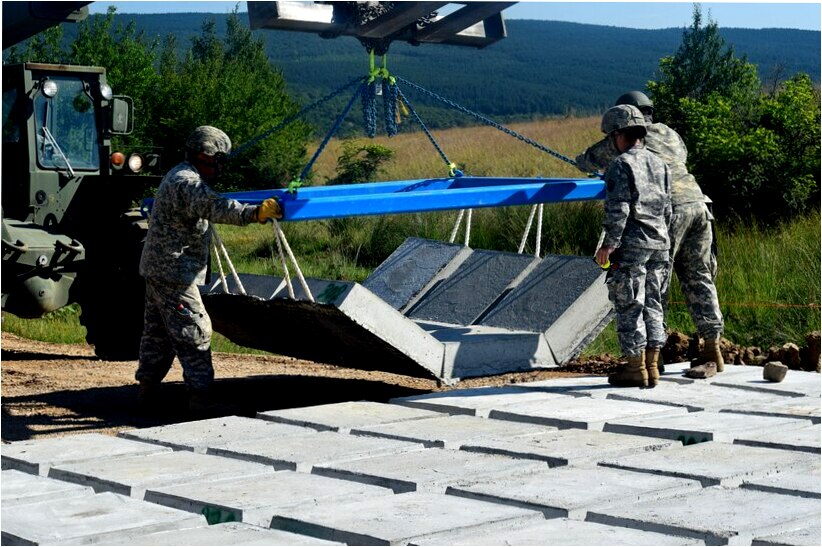
If we are to talk about more army focused construction needs, here are a few:

Military base infrastructure relies heavily on concrete for various construction projects, including the foundations, walls, and floors of buildings, as well as other structures. The robustness and durability of concrete make it a suitable material for military bases that require structures that can withstand harsh conditions and potential assaults. Additionally, concrete is used in the construction of bunkers, fortifications, and other protective structures on military bases. These structures are intended to safeguard personnel and equipment during combat operations.

The cost-effectiveness and availability of concrete make it a suitable option for large-scale military construction projects that need to be completed quickly and within budget. This material is highly durable, which is important for facilities that are critical to military operations such as airfields, helicopter pads, and runways. The smooth and level surface of concrete runways allows for safe and efficient aircraft landing and takeoff, while the durability of concrete ensures that the runway will remain operational even under heavy use. The construction of durable heavy vehicle parking pads is also crucial for military use, specially designed concrete surfaces that provide a stable and durable platform for heavy vehicles such as tanks, armored personnel carriers, and other military vehicles. These pads are typically constructed with reinforced concrete and are designed to withstand the heavy weight and constant movement of military vehicles. They are often found at military bases, training facilities, and deployment locations and are designed to drain water away from the vehicles, to prevent erosion and rusting.

Concrete is essential for the construction of military-specific objects, as it provides durability and strength to withstand harsh conditions and hazards. Additionally, concrete pads are designed to resist fire, chemical spills, and other potential hazards in a military environment.

In summary, some of the key military-specific objects that require concrete for their construction include:

  • Building bunkers and fortifications for protection against heavy artillery and bomb blasts.
  • Constructing runways and airfields for military aircraft.
  • Building safe and secure housing units for military personnel.
  • Constructing bridges and roadways that can support heavy military vehicles and equipment.
  • Building underground storage facilities for ammunition and other military equipment.
  • Constructing training facilities such as shooting ranges.
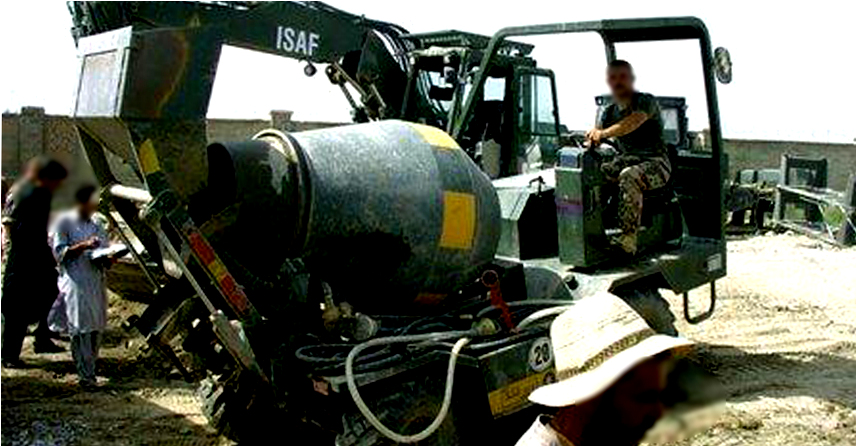
Carmix self-loading concrete mixers can be a tactical advantage in military operations as they can provide on-site concrete mixing and delivery, ensuring a steady supply of concrete for the construction of these military-specific objects.

There are several obstacles that military construction projects often face, including but not limited to:

  • Difficulty in accessing and transporting materials and equipment to remote or hard-to-reach areas.
  • Adverse weather conditions such as high winds, extreme temperatures, and heavy rainfall that can pose challenges for concrete construction.
  • Security concerns that limit access to the site and transport of materials and equipment.
  • Limited resources, including water and power, which can make it challenging to mix and pour concrete.
  • Shortage of workforce that may impede the completion of construction projects in a timely manner.
  • The need to consider cultural and environmental factors in areas where the military sites are located.

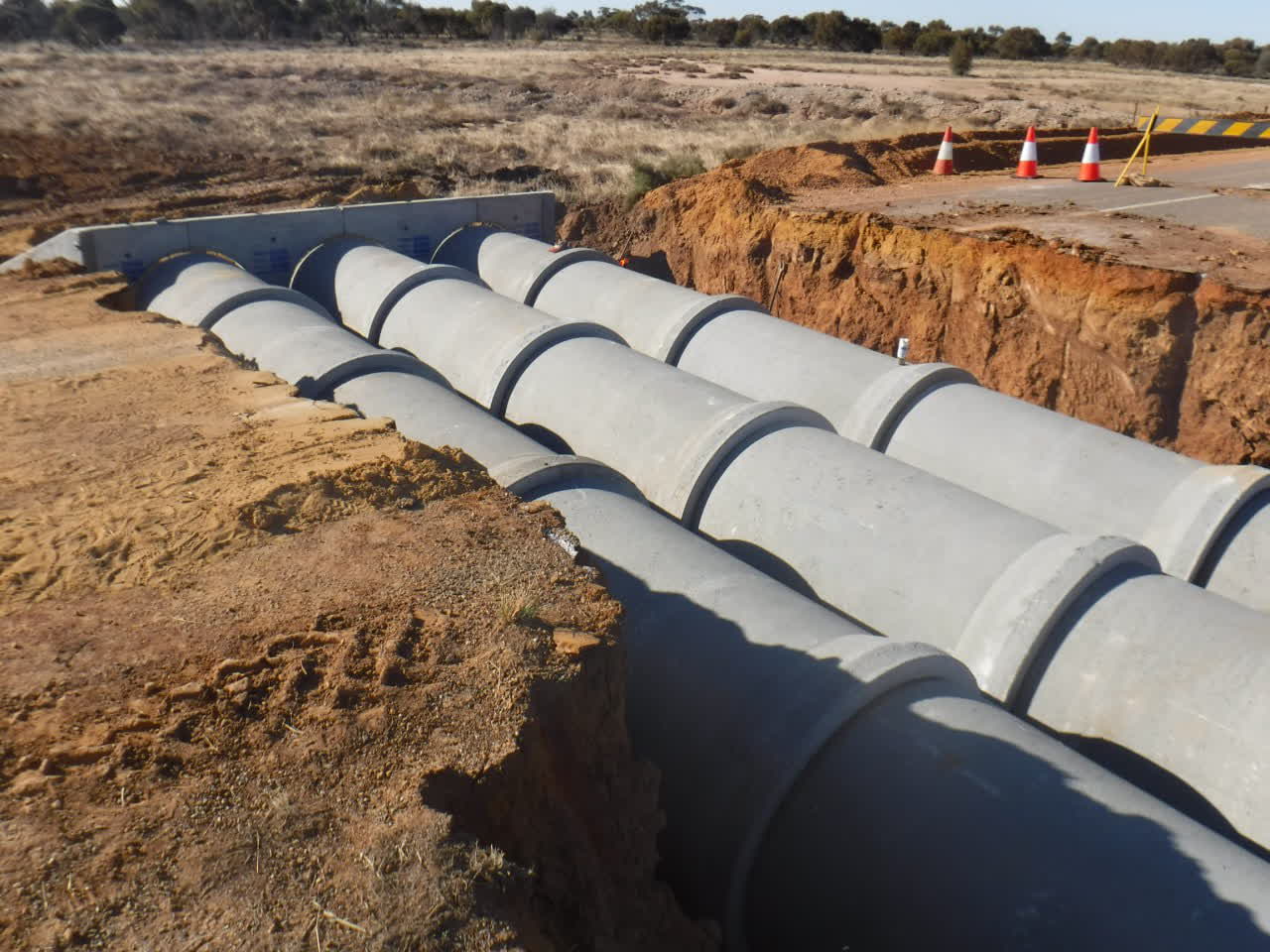
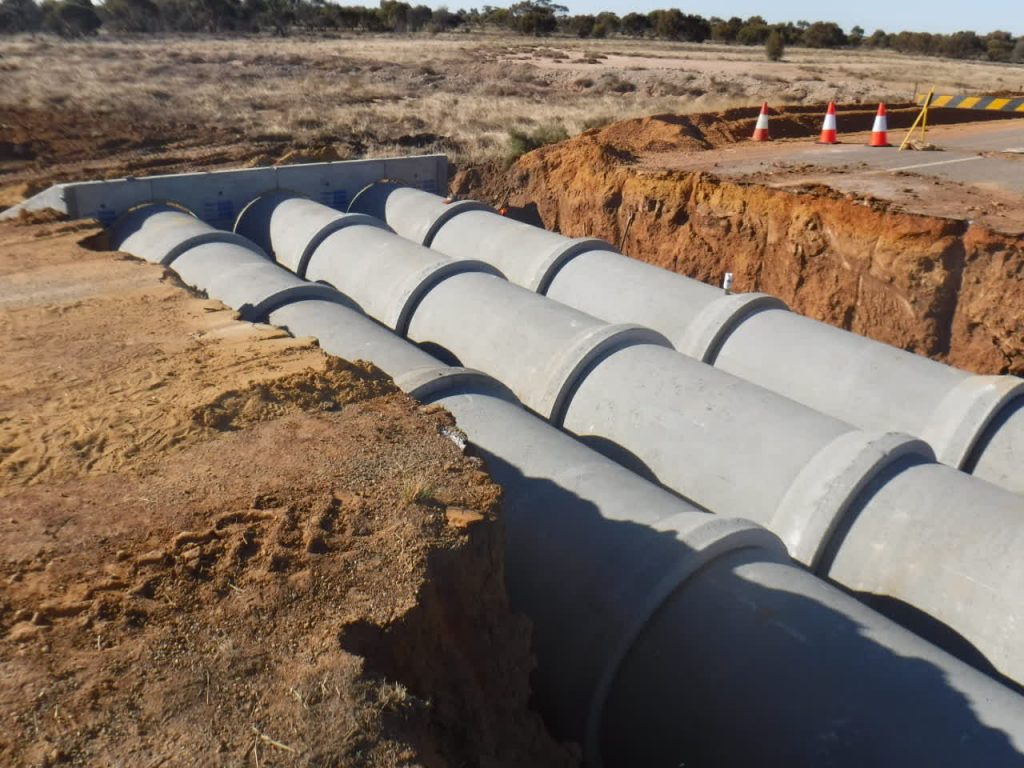
When it comes to constructing structures for military needs, there can be difficulties in obtaining and transporting the necessary concrete. One solution is to use precast concrete, which is made off-site and then transported to the construction location. However, the main challenge with this method is the transportation of the precast concrete. Using a Carmix self-loading concrete mixer can provide a solution as it allows for on-site production of the necessary grade of concrete in sufficient amounts. This can lead to significant savings in both time and resources, as well as minimizing the need for transportation. Such structures that can be built using precast concrete and carmix self-loading concrete mixer include: barracks, housing units, bunkers, shelters, blast walls, aircraft hangars, maintenance facilities, guard towers, observation posts, ammunition storage facilities, fuel storage tanks, parking garages, vehicle storage facilities, bridges, and culverts.
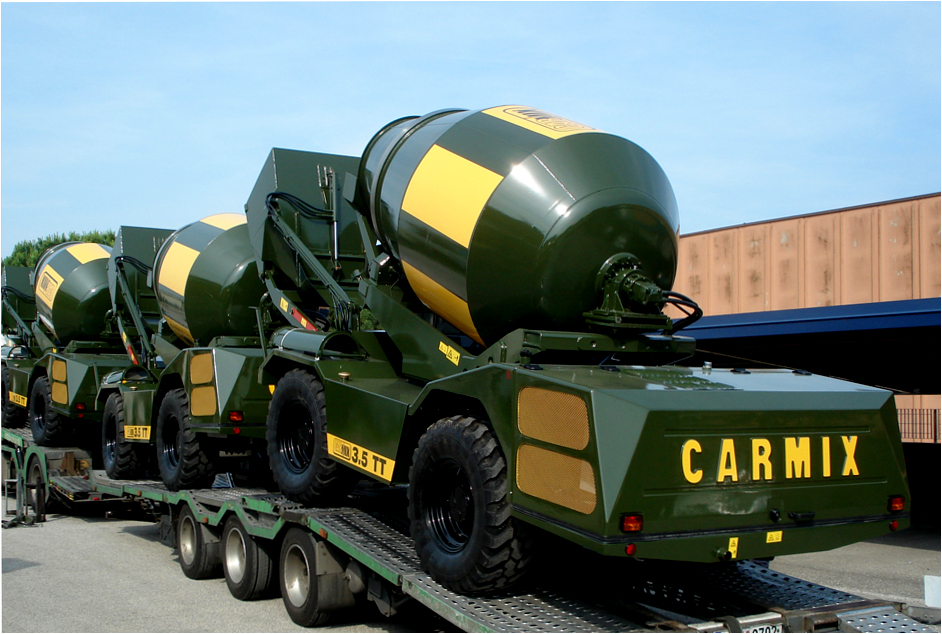
A self-loading concrete mixer is an ideal equipment for military operations as it offers versatility, efficiency and ease of use. The machine can quickly and easily mix and dispense concrete, reducing the need for manual labor and the risk of injuries. With its self-loading feature, it can load raw materials by itself, further reducing manual labor. It can be easily transported to different locations, making it suitable for use in remote or hard-to-reach areas. In conclusion, a self-loading concrete mixer is an efficient and safe tool for military construction and repair projects in the field.

Time constraints are a significant challenge for military construction projects. Carmix self-loading concrete mixers provide a tactical advantage by being able to mix their first 4 cubic yards of concrete just 20 minutes after arriving at a construction site. This eliminates the need for lengthy installation and setup typically required by stationary batching plants. Additionally, Carmix mixers only require one machine and one operator, making it a highly efficient option for concrete production in time-sensitive situations. With experience working with various armed forces across the world and the ability to produce concrete quickly and efficiently in any weather or climate conditions, Carmix self-loading concrete mixers are a valuable asset for military operations.
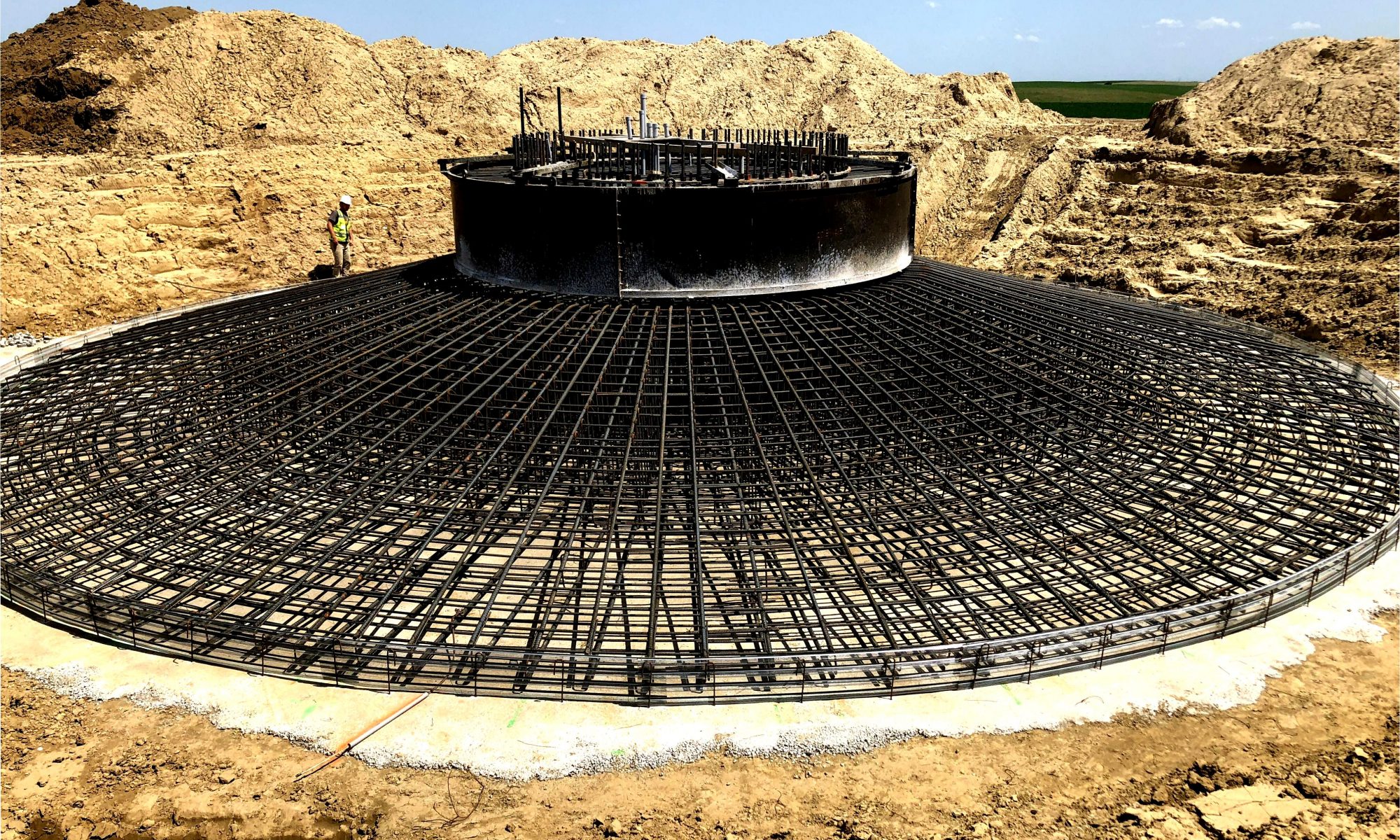
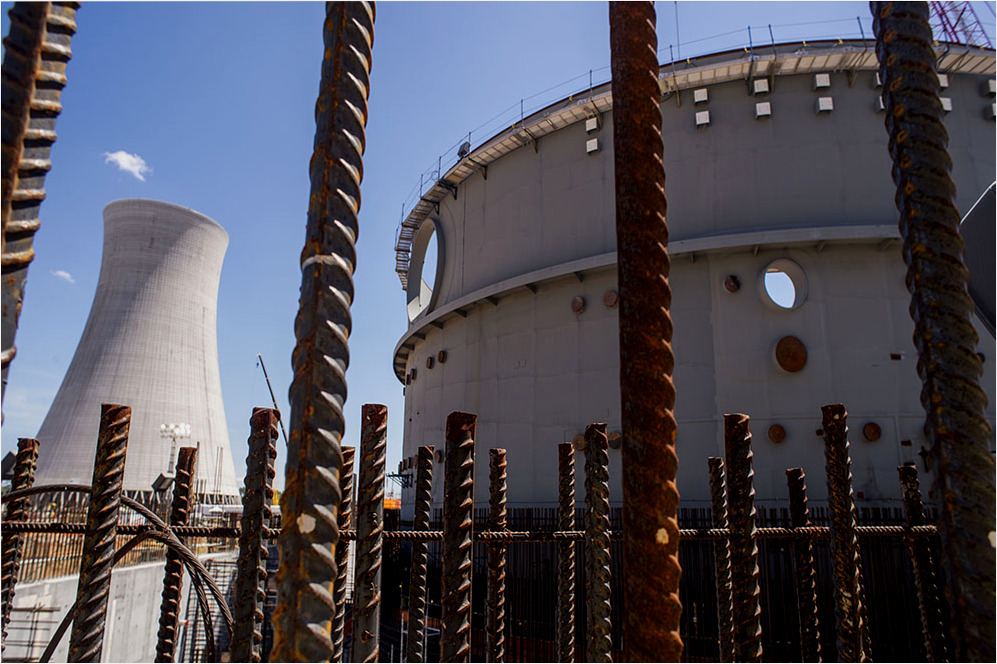
Building a Sustainable Future: The Role of Concrete in Energy Infrastructure

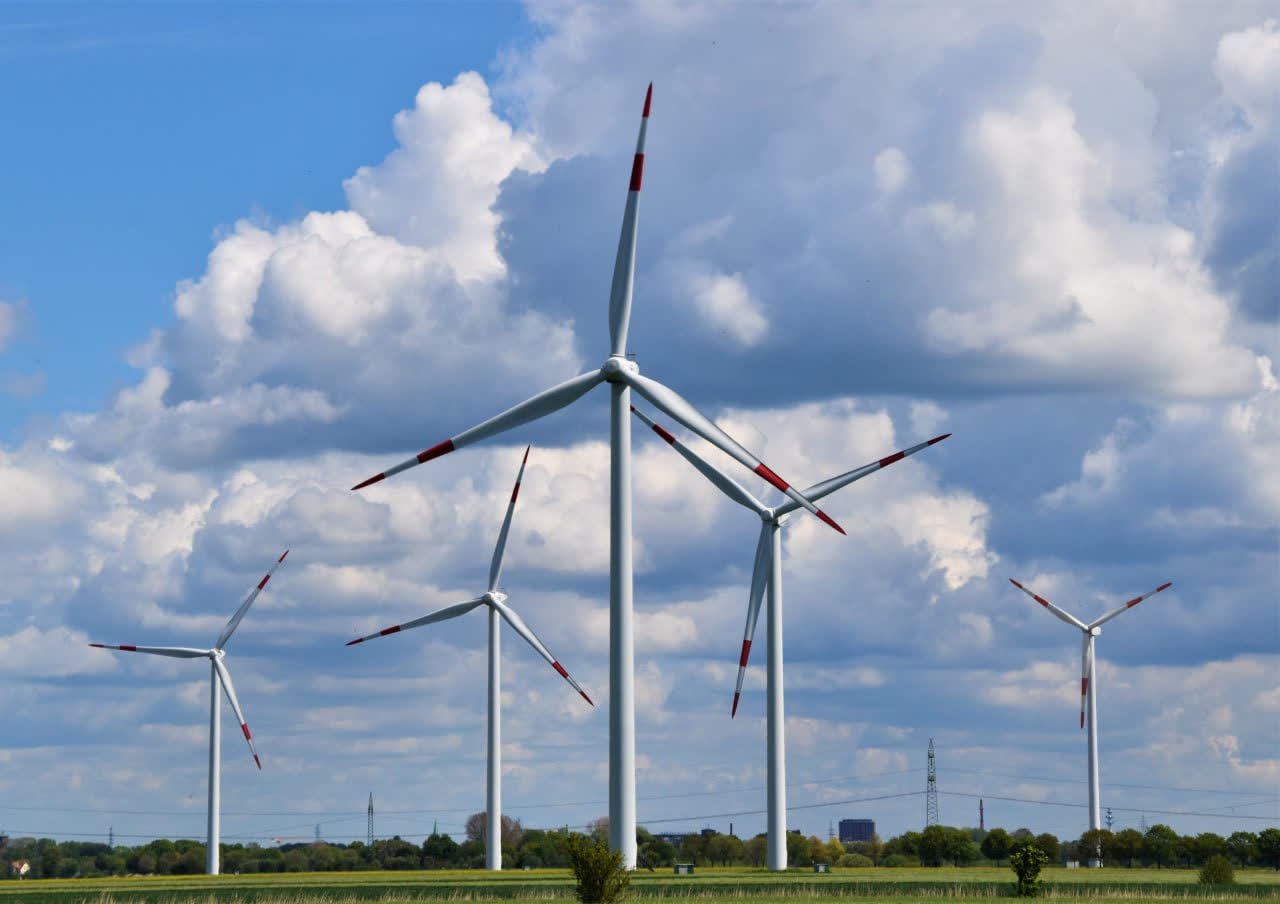
Concrete is a versatile and durable construction material that is widely used in the construction of energy facilities such as power plants, wind turbines, and solar panels. Due to its strength, durability, and ability to withstand extreme weather conditions, concrete is an ideal choice for energy facilities that must operate in harsh environments and withstand heavy loads.

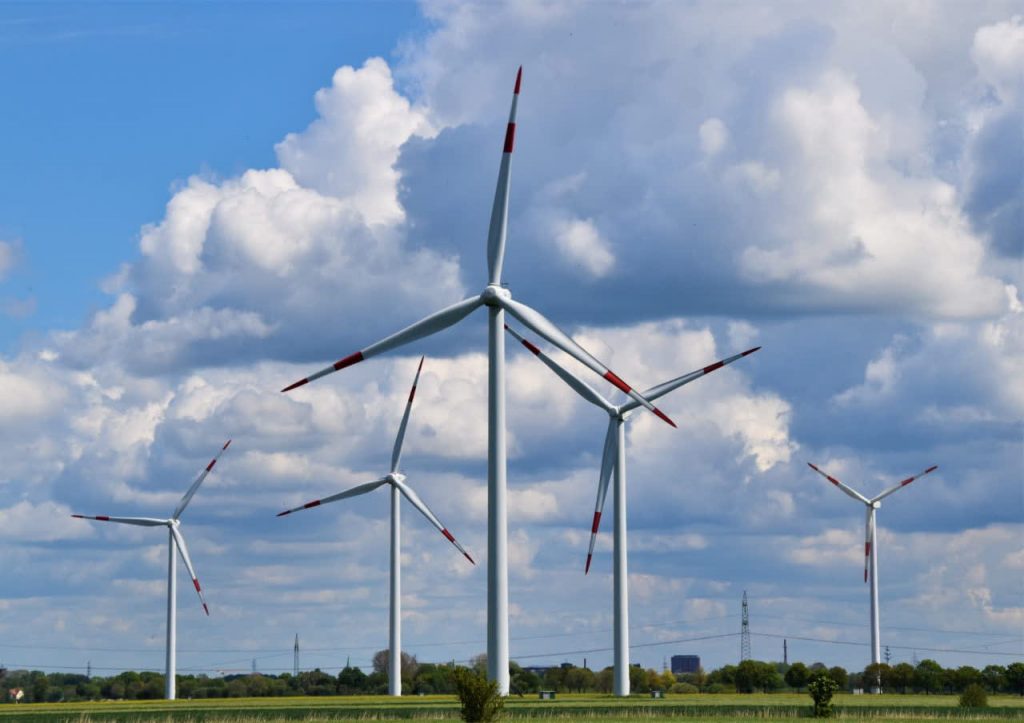
One of the main advantages of using concrete in energy facilities is its ability to provide a strong and stable foundation for these structures. Concrete is a very dense and heavy material, which means it can support large loads and provide a stable base for energy facilities that need to withstand high winds, earthquakes, and other natural forces. This is particularly important for wind turbines, which must be able to withstand strong winds and maintain stability during operation.

Another advantage of using concrete in energy facilities is its ability to withstand extreme temperatures. Concrete has a high thermal mass, which means it can absorb and store large amounts of heat energy. This makes it ideal for use in power plants and other energy facilities that generate heat as a byproduct of their operations. Concrete can also be used to insulate energy facilities, helping to keep them cool and reducing the need for air conditioning.

Concrete is also an environmentally friendly building material. It is made from natural materials such as cement, water, and aggregate, and it can be recycled and reused at the end of its useful life. In addition, concrete is a carbon-neutral material, meaning it does not produce any greenhouse gas emissions during its production or use. This makes it an ideal choice for energy facilities that are designed to be environmentally friendly and energy efficient.

Finally, concrete is an affordable and widely available construction material. Concrete is made from common aggregates that are readily available in most regions, and it can be produced on site using portable mixing equipment. This makes it a cost-effective choice for energy facilities that need to be constructed quickly and efficiently.

Building Strong Connections: The Importance of Concrete in Pipeline and Railway Construction in Remote Areas

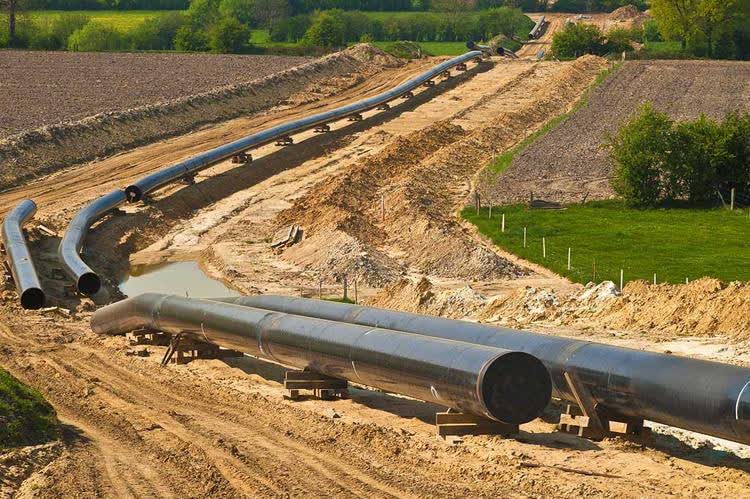
Pipelines and railways, for example, are critical for connecting remote communities to vital resources and services. However, due to harsh conditions and difficult terrain, constructing these projects in hard-to-reach areas can be a difficult task. This blog post will go over the specifics of using concrete in the construction of linear building projects in difficult-to-reach areas.

One of the primary benefits of using concrete in linear construction projects is its durability and resistance to corrosion. Concrete is a non-combustible material that does not rot, rust, or decay. This means it can withstand the harsh conditions of hard-to-reach areas, such as extreme temperatures, heavy rainfall, and chemical exposure.

Another benefit of using concrete in linear construction projects is its precastability. Precasting is a method of producing concrete elements in a controlled environment and then transporting them to the construction site. This results in a faster and more efficient construction process, as well as higher work quality. Precast concrete elements are particularly useful for linear construction projects in hard-to-reach areas, as they can be transported to the site by helicopter or other means of transportation, reducing the need for heavy equipment and labor.

Concrete is also an excellent material for underground structures such as pipelines and tunnels. It is an excellent barrier against water and other liquids, making it ideal for preventing corrosion and leaks in pipelines and other underground structures.

Concrete, in addition to its durability and corrosion resistance, is a sustainable and environmentally friendly material. It can be produced locally, reducing the need for transportation and the project’s carbon footprint. Concrete is also a recyclable material that can be reused for other projects once it has served its purpose.

In conclusion, the use of concrete in the construction of linear projects in difficult-to-reach areas is an excellent choice due to its durability, corrosion resistance, and precast capabilities. It is also an environmentally friendly and sustainable material that can be manufactured locally, which is a significant benefit for linear construction projects in remote areas. With the use of concrete, linear construction projects in remote areas can be built faster, more efficiently, and with a higher quality, allowing remote communities to access vital resources and services.

Concrete Solutions: How Small Towns are Harnessing the Power of Energy Infrastructure

In the construction of energy infrastructure facilities in small towns, concrete is one of the most often used building materials. This is due to the material’s strength, affordability, and durability, which make it the best option for creating structures that must serve the community for a long time.

Power plants, wind turbines, solar panels, and hydroelectric dams are only a few examples of the structures that demonstrate the usage of concrete in the development of energy infrastructure facilities in small towns. These buildings are made to produce electricity for the neighborhood and offer a dependable supply of energy.

One of the most typical forms of energy infrastructure facilities in small towns are power plants. These establishments produce energy through the burning process of fossil fuels like coal or natural gas. The concrete buildings found in power plants are made to resist the high pressures and temperatures produced by combustion. Reinforced concrete, which offers the essential strength and durability to endure the tremendous heat and pressure, is used to construct the power plant’s walls and floors.

Another form of energy infrastructure facility that is typically seen in small towns is wind turbines. These structures use the wind’s energy to produce electricity. The wind-driven forces and the weight of the turbine itself are both intended to be supported by the concrete foundations of wind turbines. Deeply embedded into the earth, the concrete foundation offers a sturdy platform from which the turbine can run.

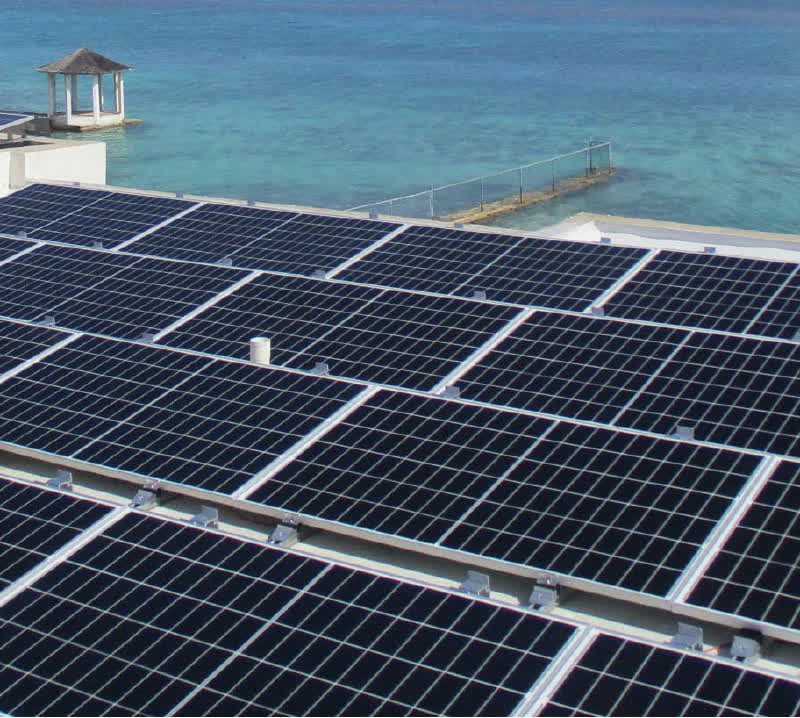
Another form of energy infrastructure facility that can be seen in small towns is solar panels. These buildings use the sun’s energy to produce electricity. The concrete solar panel foundations are built to support the weight of the panels and offer a solid platform for the panels to function on.

Hydroelectric dams are another type of energy infrastructure facility found in small towns. These structures generate electricity by harnessing the power of flowing water. The concrete structures used in hydroelectric dams are designed to withstand the force of the water while also providing a stable base for the dam to operate from.

To summarize, the use of concrete in the construction of energy infrastructure facilities in small towns is an important aspect of providing a dependable source of energy for the community. Concrete is strong, long-lasting, and relatively inexpensive, making it an excellent choice for structures that must withstand the elements and serve the community for many years. Concrete’s use in power plants, wind turbines, solar panels, and hydroelectric dams demonstrates its importance in the construction of energy infrastructure facilities in small towns.