
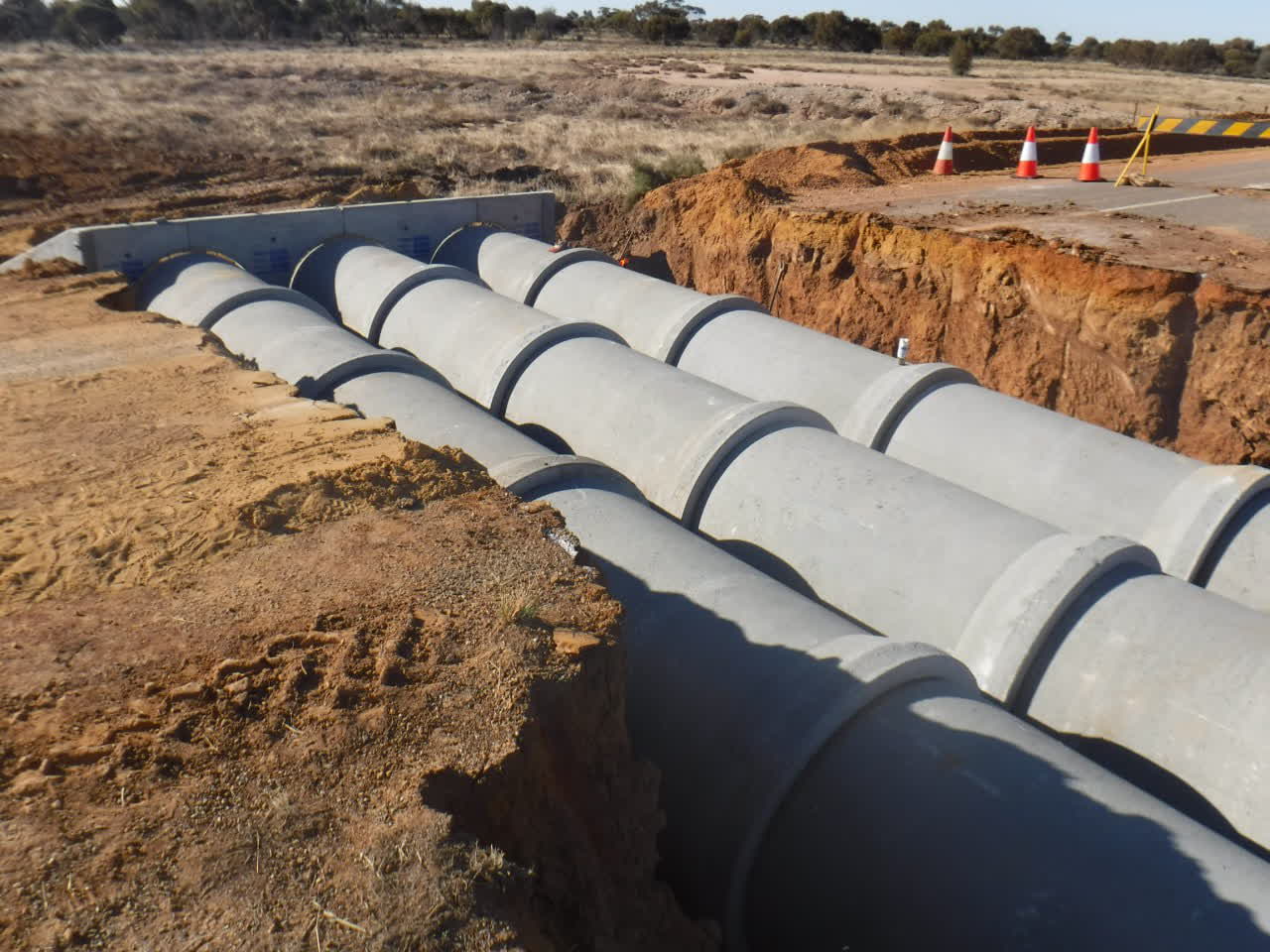
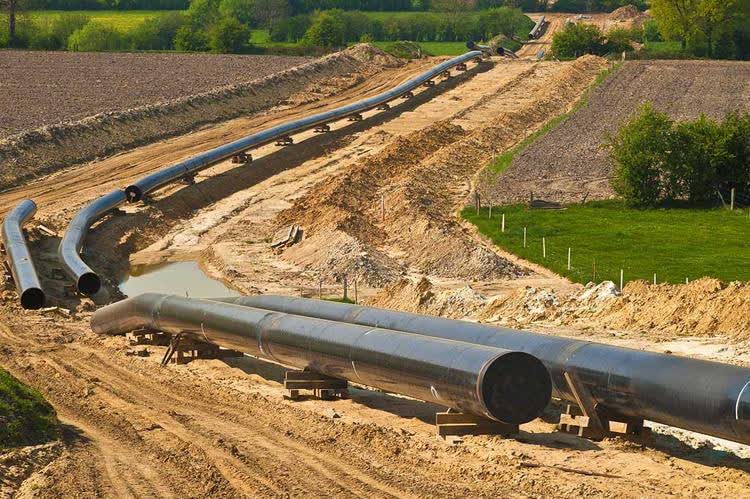
Pipelines and railways, for example, are critical for connecting remote communities to vital resources and services. However, due to harsh conditions and difficult terrain, constructing these projects in hard-to-reach areas can be a difficult task. This blog post will go over the specifics of using concrete in the construction of linear building projects in difficult-to-reach areas.
One of the primary benefits of using concrete in linear construction projects is its durability and resistance to corrosion. Concrete is a non-combustible material that does not rot, rust, or decay. This means it can withstand the harsh conditions of hard-to-reach areas, such as extreme temperatures, heavy rainfall, and chemical exposure.
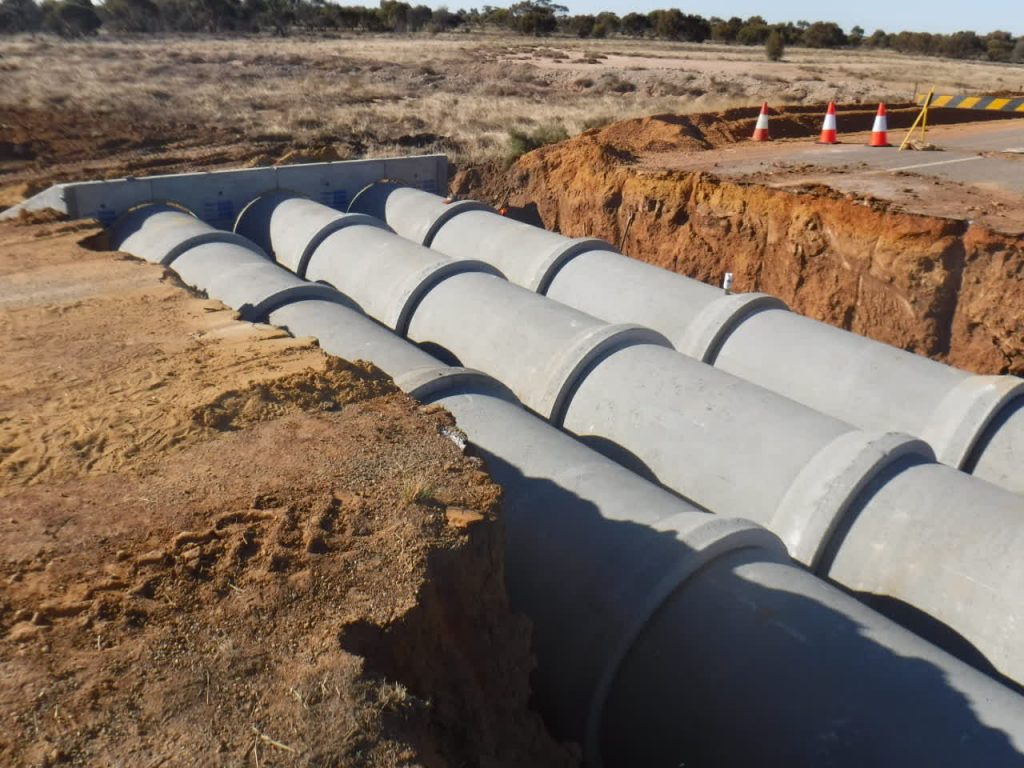
Another benefit of using concrete in linear construction projects is its precastability. Precasting is a method of producing concrete elements in a controlled environment and then transporting them to the construction site. This results in a faster and more efficient construction process, as well as higher work quality. Precast concrete elements are particularly useful for linear construction projects in hard-to-reach areas, as they can be transported to the site by helicopter or other means of transportation, reducing the need for heavy equipment and labor.
Concrete is also an excellent material for underground structures such as pipelines and tunnels. It is an excellent barrier against water and other liquids, making it ideal for preventing corrosion and leaks in pipelines and other underground structures.
Concrete, in addition to its durability and corrosion resistance, is a sustainable and environmentally friendly material. It can be produced locally, reducing the need for transportation and the project’s carbon footprint. Concrete is also a recyclable material that can be reused for other projects once it has served its purpose.
In conclusion, the use of concrete in the construction of linear projects in difficult-to-reach areas is an excellent choice due to its durability, corrosion resistance, and precast capabilities. It is also an environmentally friendly and sustainable material that can be manufactured locally, which is a significant benefit for linear construction projects in remote areas. With the use of concrete, linear construction projects in remote areas can be built faster, more efficiently, and with a higher quality, allowing remote communities to access vital resources and services.