
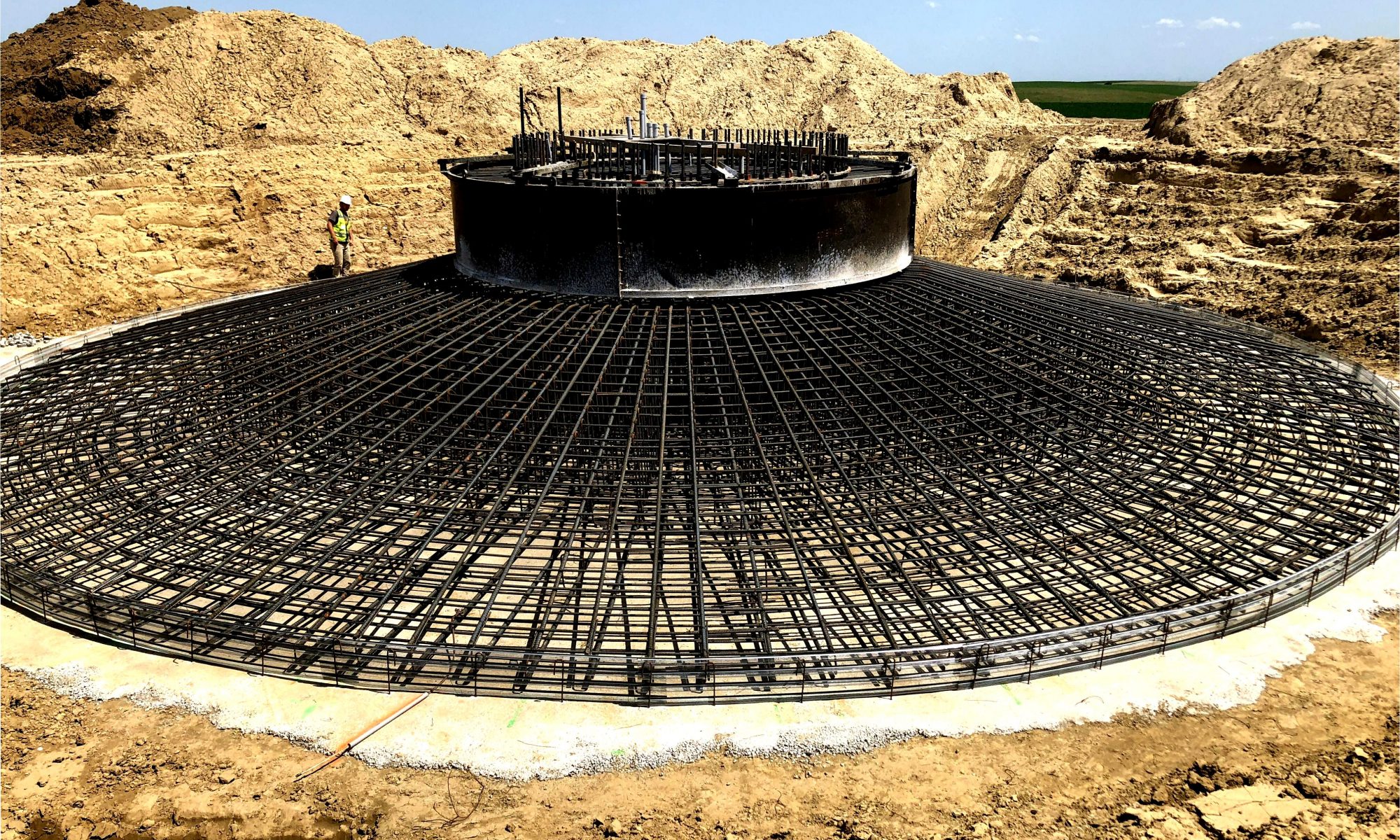
Concrete is a versatile and durable construction material that is widely used in the construction of energy facilities such as power plants, wind turbines, and solar panels. Due to its strength, durability, and ability to withstand extreme weather conditions, concrete is an ideal choice for energy facilities that must operate in harsh environments and withstand heavy loads.
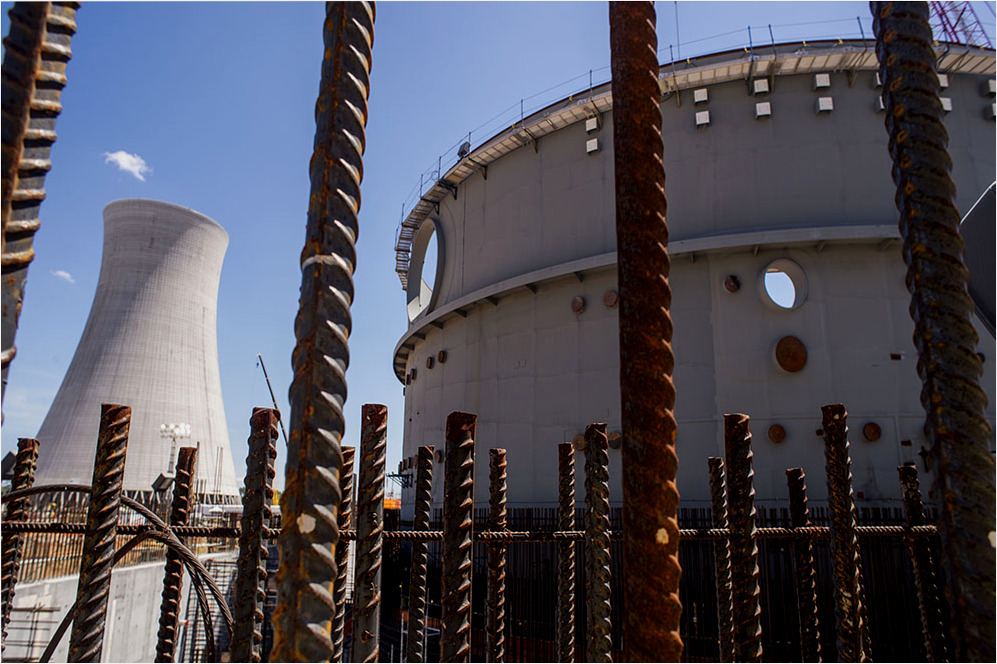
One of the main advantages of using concrete in energy facilities is its ability to provide a strong and stable foundation for these structures. Concrete is a very dense and heavy material, which means it can support large loads and provide a stable base for energy facilities that need to withstand high winds, earthquakes, and other natural forces. This is particularly important for wind turbines, which must be able to withstand strong winds and maintain stability during operation.
Another advantage of using concrete in energy facilities is its ability to withstand extreme temperatures. Concrete has a high thermal mass, which means it can absorb and store large amounts of heat energy. This makes it ideal for use in power plants and other energy facilities that generate heat as a byproduct of their operations. Concrete can also be used to insulate energy facilities, helping to keep them cool and reducing the need for air conditioning.
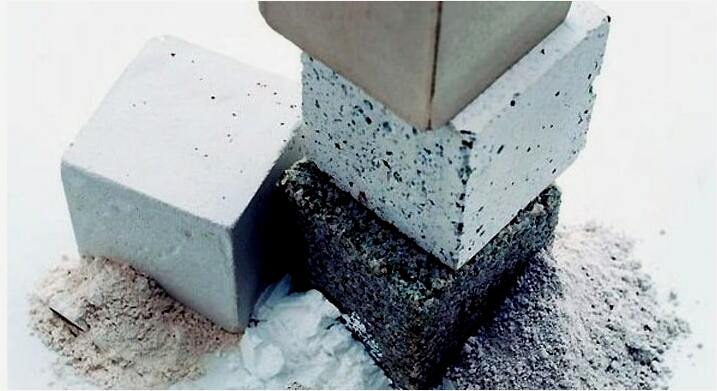
Concrete is also an environmentally friendly building material. It is made from natural materials such as cement, water, and aggregate, and it can be recycled and reused at the end of its useful life. In addition, concrete is a carbon-neutral material, meaning it does not produce any greenhouse gas emissions during its production or use. This makes it an ideal choice for energy facilities that are designed to be environmentally friendly and energy efficient.
Finally, concrete is an affordable and widely available construction material. Concrete is made from common aggregates that are readily available in most regions, and it can be produced on site using portable mixing equipment. This makes it a cost-effective choice for energy facilities that need to be constructed quickly and efficiently.